Marsh Frog 3D Models for Classroom Biology and Animal Anatomy
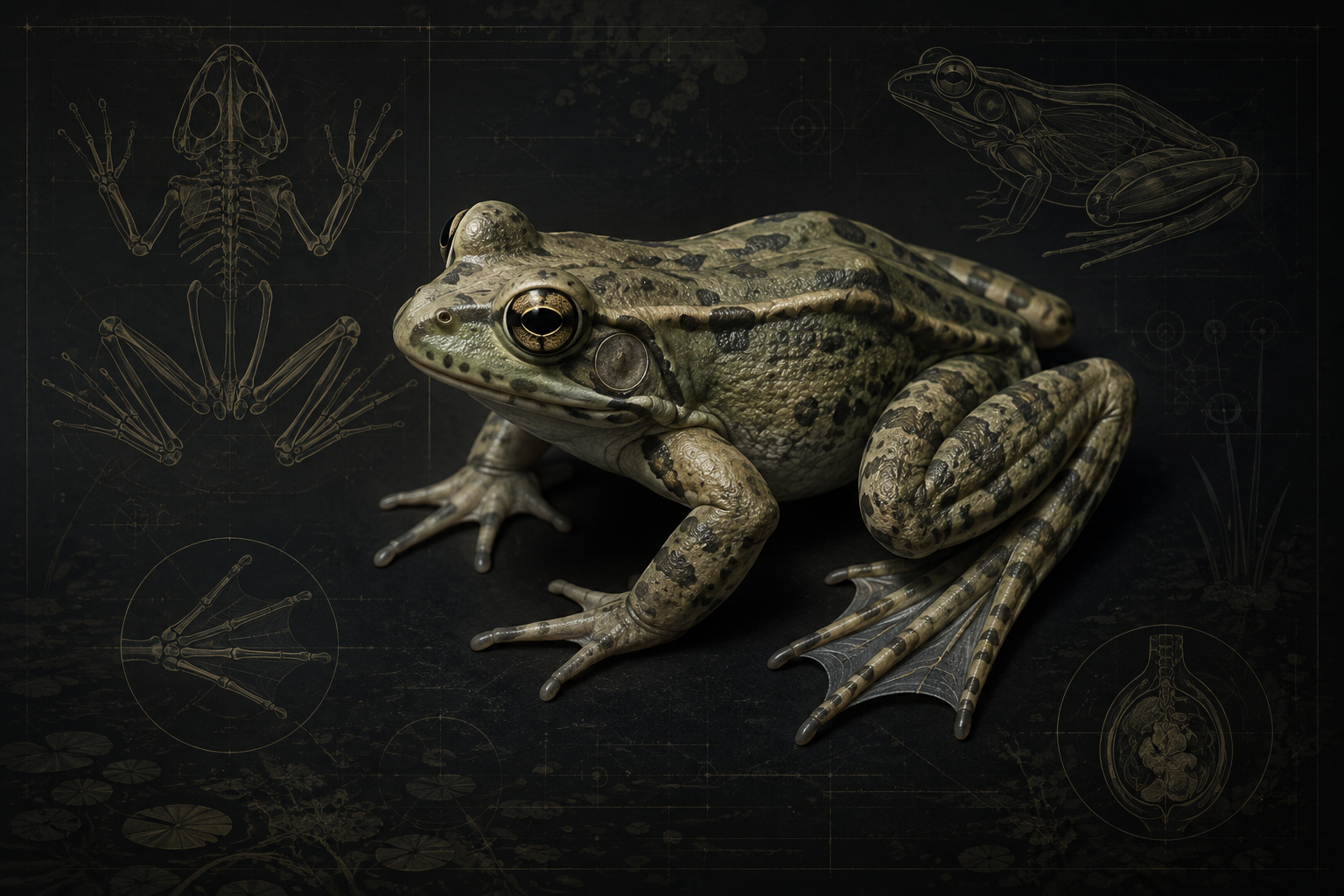
A Frog Body Plan Students Can Read in 3D
A Marsh Frog model is useful in class because amphibian anatomy is easier to discuss when students can turn the form and compare top, side, and underside views. The broad head, long hind limbs, compact trunk, and webbed feet show how a frog body is organized for both water and land. Those relationships are clearer in a three-dimensional object than in a flat worksheet, especially when students need to identify how posture changes what they notice first.
The Marsh Frog category is most valuable when the model supports observation rather than decoration. Students can look at relative limb length, the placement of the eyes, the shape of the pelvis and thigh, and the difference between forelimbs and hind limbs. Those features help ground broader lessons about amphibians without requiring the class to infer volume from a single photograph or diagram.
Anatomy, Life Cycle Context, and Classroom Use
Frog anatomy is often taught together with life cycle context, so the model works best when it is presented as one stage in a larger developmental story. A Marsh Frog figure can sit alongside diagrams or discussion of eggs, tadpoles, metamorphosis, and adult form, helping students compare which structures belong to the fully developed animal. That context matters because it prevents the model from being treated as an isolated object rather than part of amphibian biology.
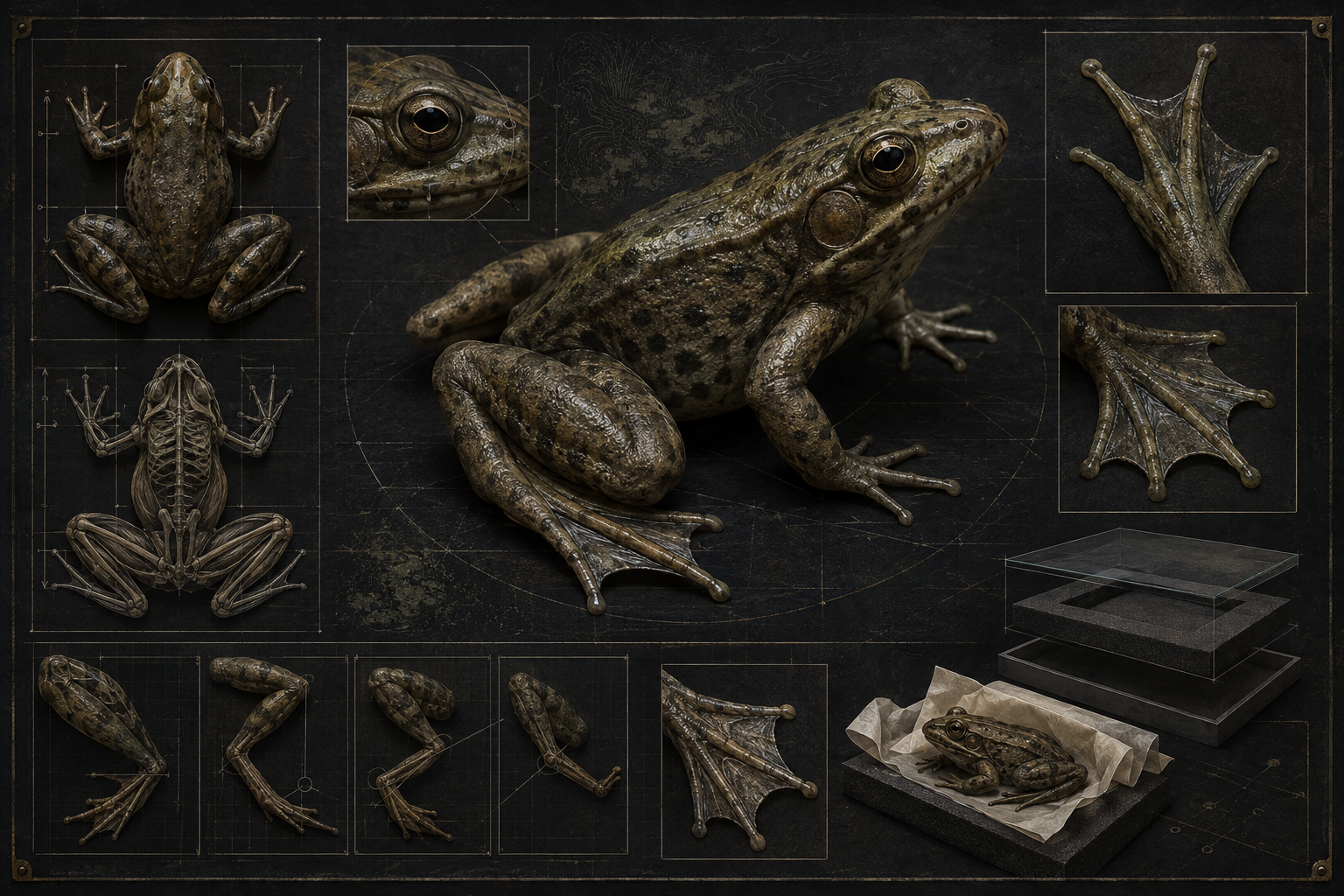
The wider frogs and toads category also helps when instructors want to compare general amphibian structure across related animals. Even a single model can support discussion of locomotion, feeding posture, and habitat adaptation if students are encouraged to examine limb arrangement and body balance instead of only color or surface texture.
Safe Print and Display Preparation
For classroom handling, print and display preparation should stay practical. Narrow toes, thin edges, or unstable base contact can make a model harder to pass around safely, so a version intended for school use benefits from clean edges, adequate thickness, and a stable resting posture. If the model is used as a display aid instead of a handled object, the same preparation still matters because it reduces damage during setup and storage.
A Marsh Frog model does not replace live observation or detailed diagrams, but it can make anatomy more immediate and discussable. Explore the Marsh Frog category for a focused amphibian reference for classroom biology.