supporting
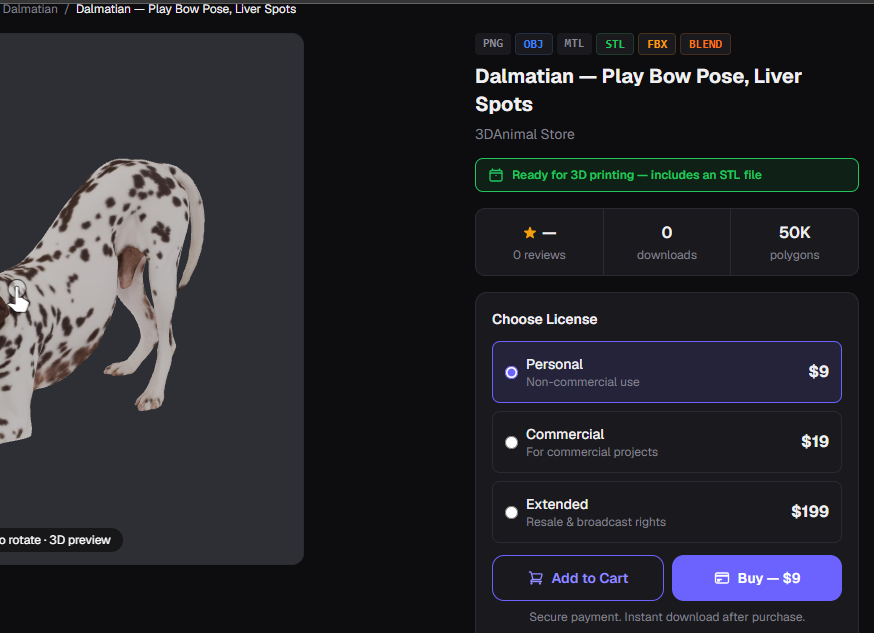
How to Choose a License, Buy a Model, and Access Your Download
Review a model page, select the appropriate license, complete checkout, and access the download for your purchased 3D model.
Sep 27, 20261 min
Guides, species spotlights, and tips for 3D artists, game developers, and 3D printing enthusiasts.
Review a model page, select the appropriate license, complete checkout, and access the download for your purchased 3D model.
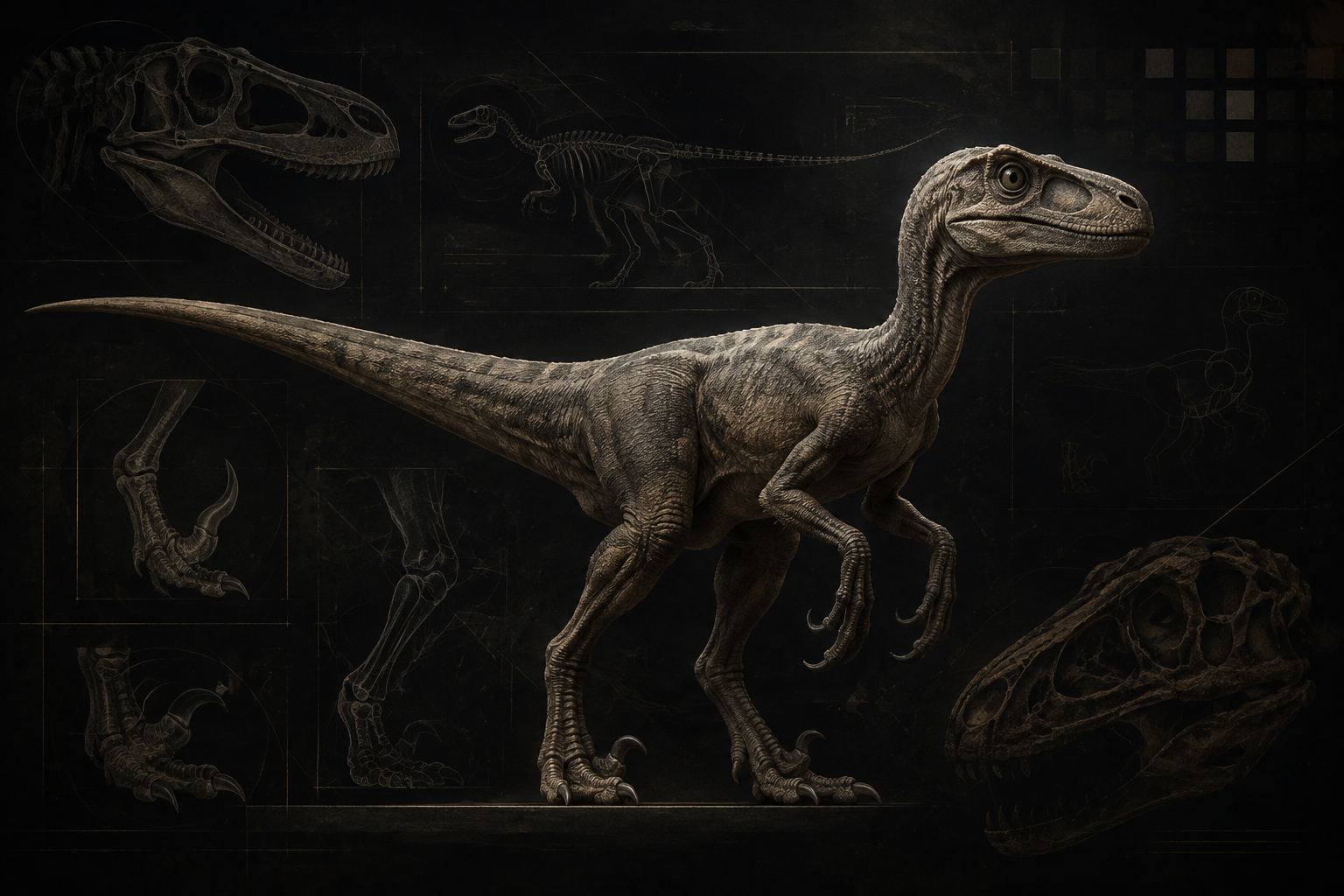
Velociraptor 3D models can support AI-assisted paleo art and classroom visuals by providing controlled silhouette, pose, lighting, and scene reference.
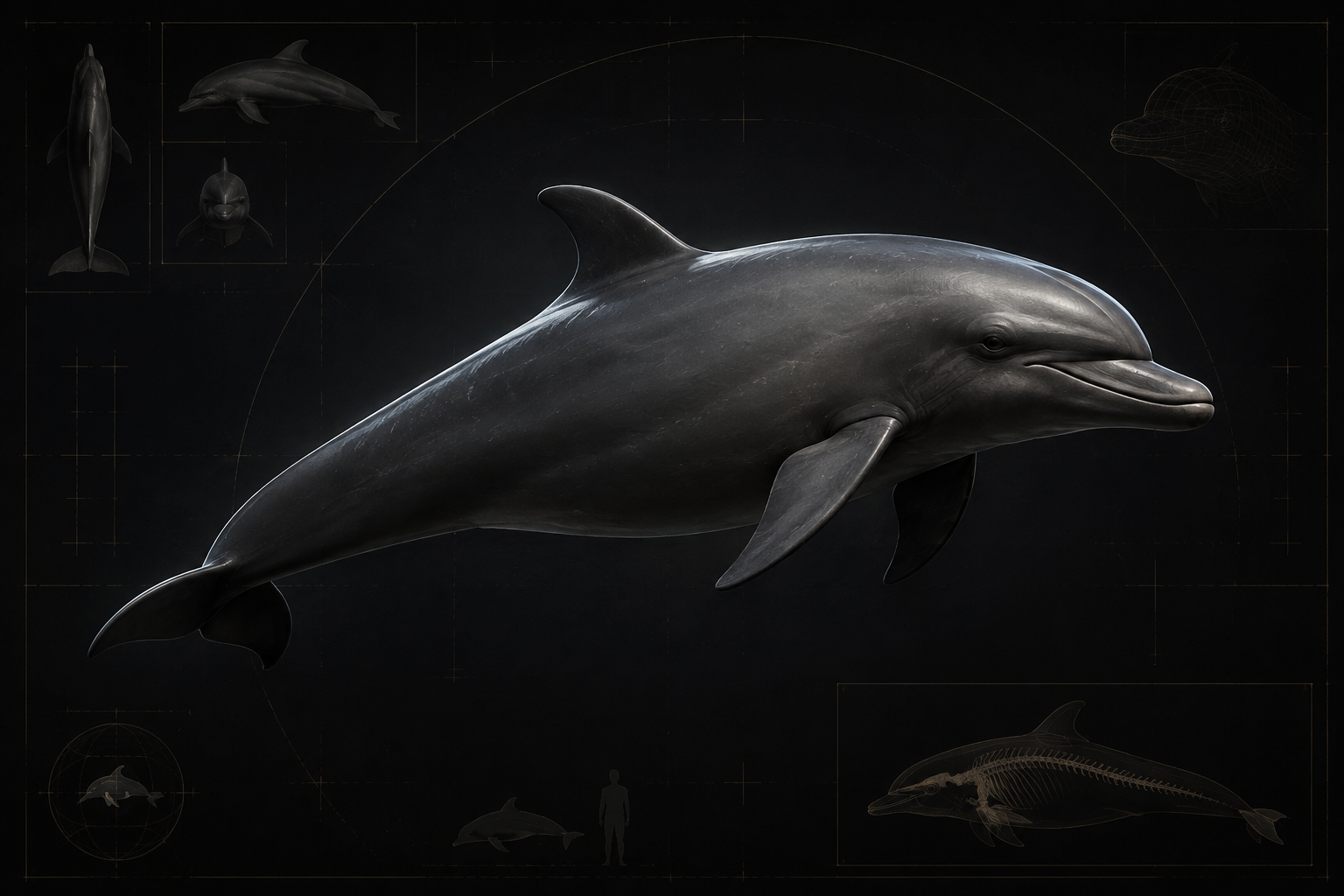
Common Bottlenose Dolphin 3D models can provide controlled visual reference for camera angle, lighting, silhouette, anatomy, and scene blocking in AI-assisted graphics.
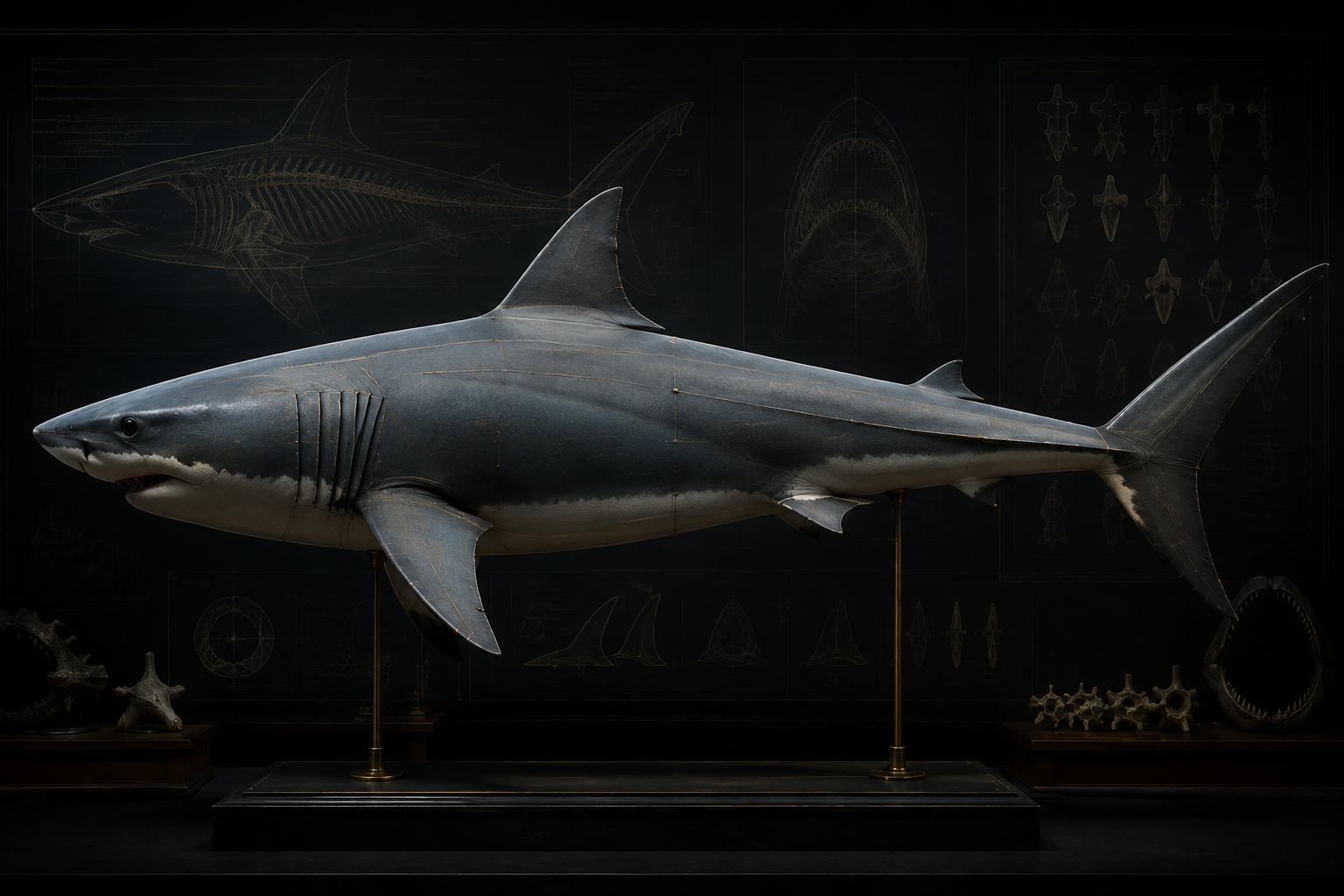
Great White Shark 3D models can support school science by showing cartilaginous fish anatomy, fin arrangement, body shape, and classroom display scale more clearly.
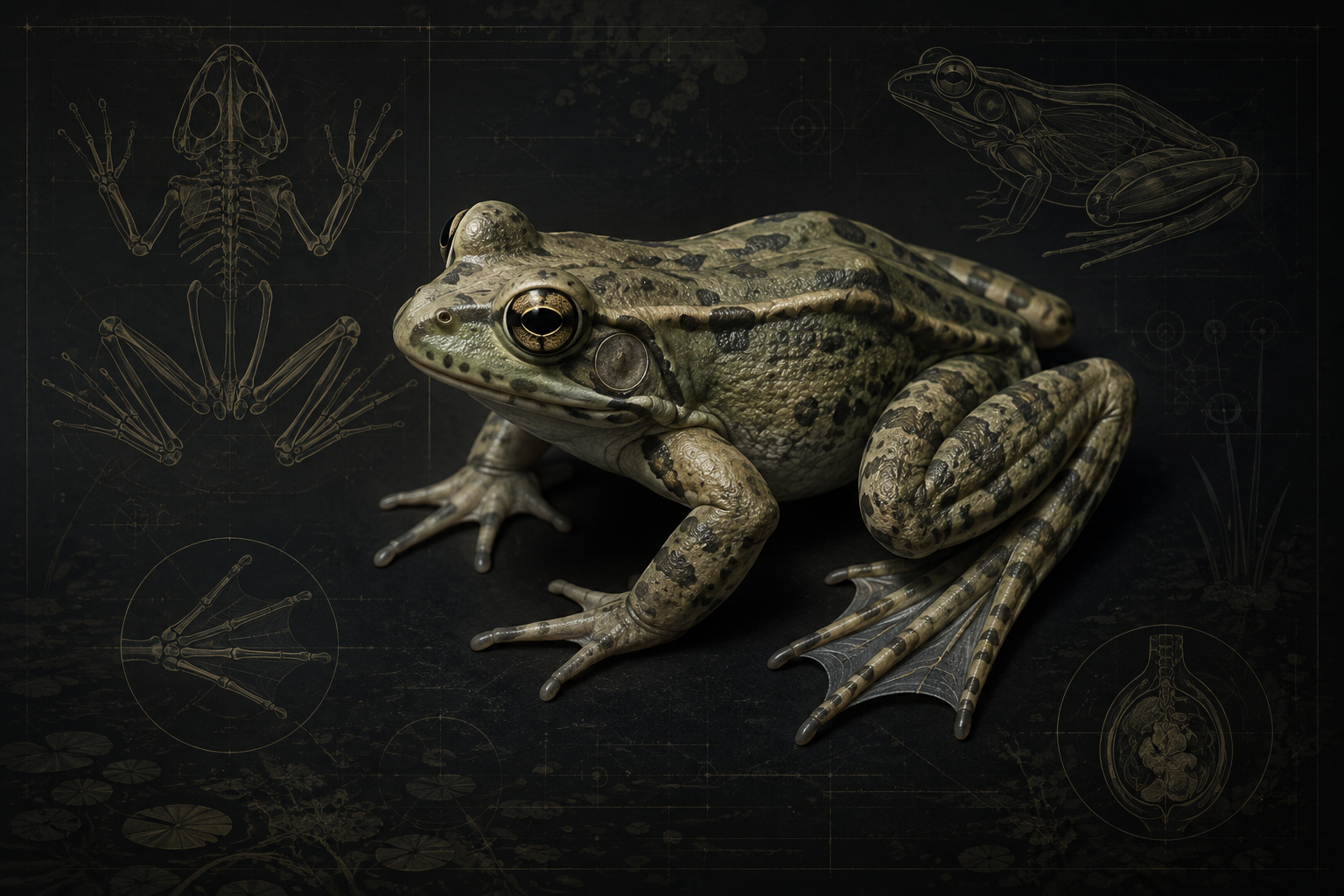
Marsh Frog 3D models can support classroom biology by making amphibian body structure, life cycle discussion, and safe handling choices easier to see.
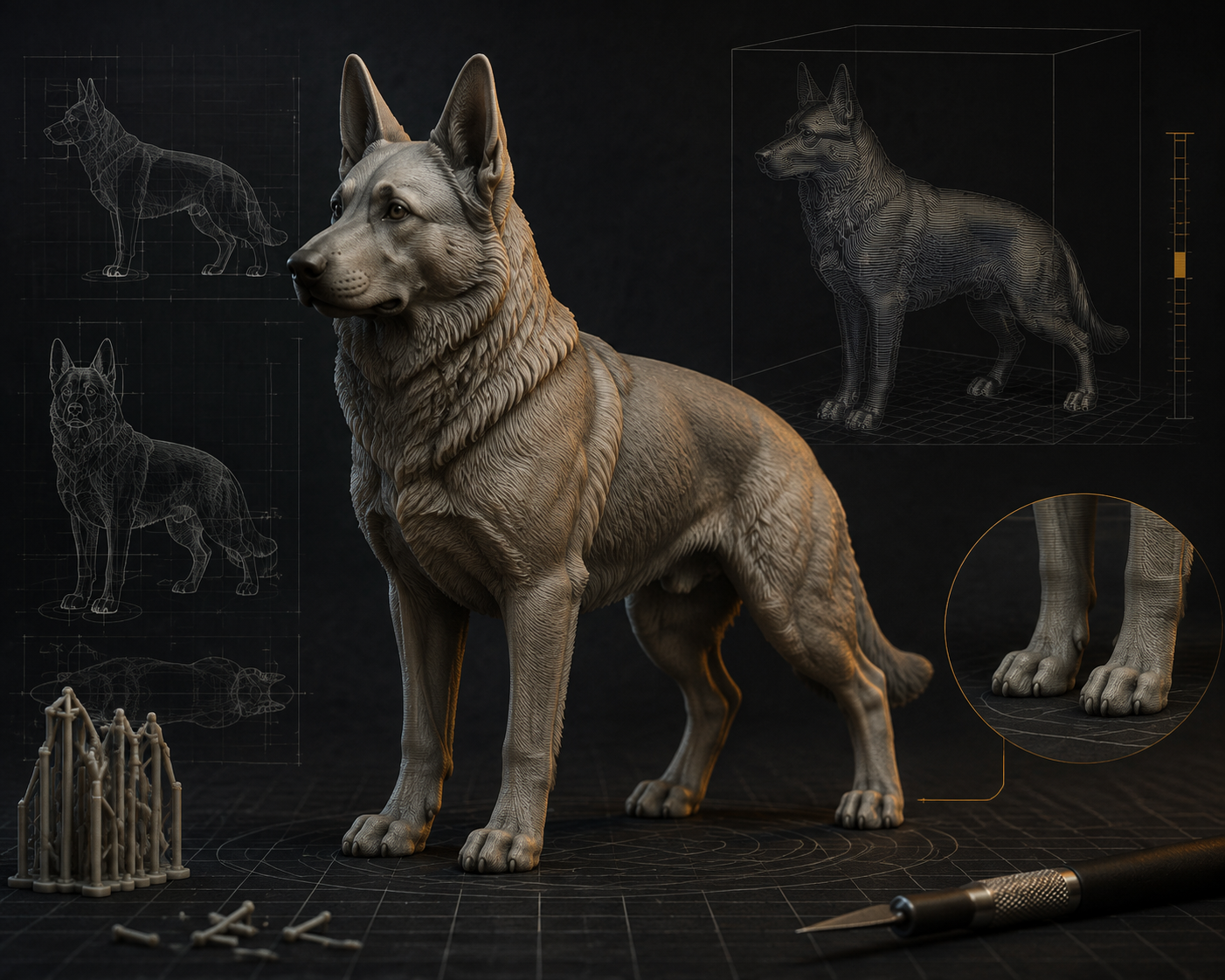
German Shepherd 3D models for printing benefit from grounded paws, watertight meshes, balanced proportions, and support plans that respect ears, tail, and stance.
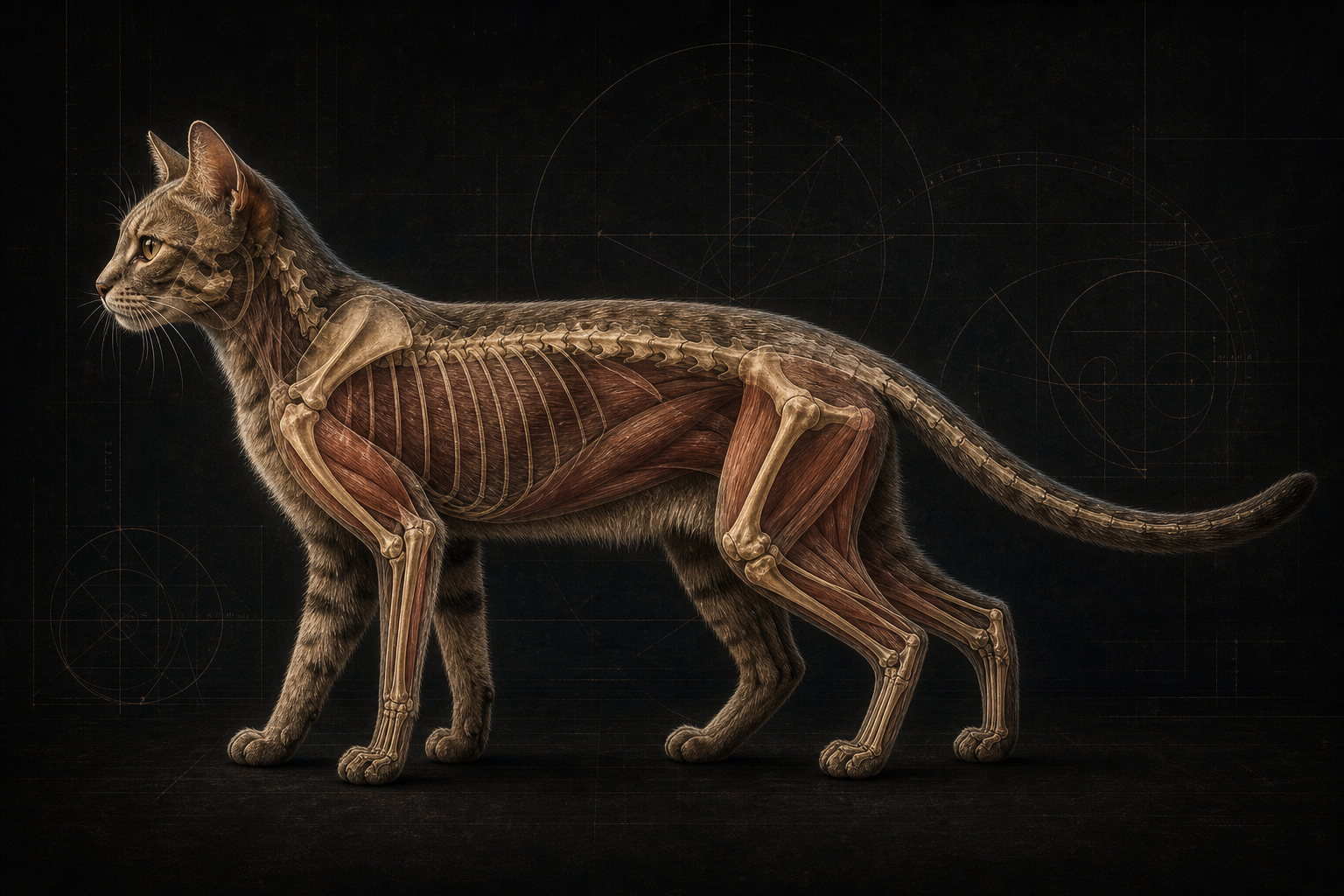
Domestic cat 3D models depend on a flexible spine, sliding scapulae, digitigrade limbs, and stable posing that holds up in rigging, rendering, and print.
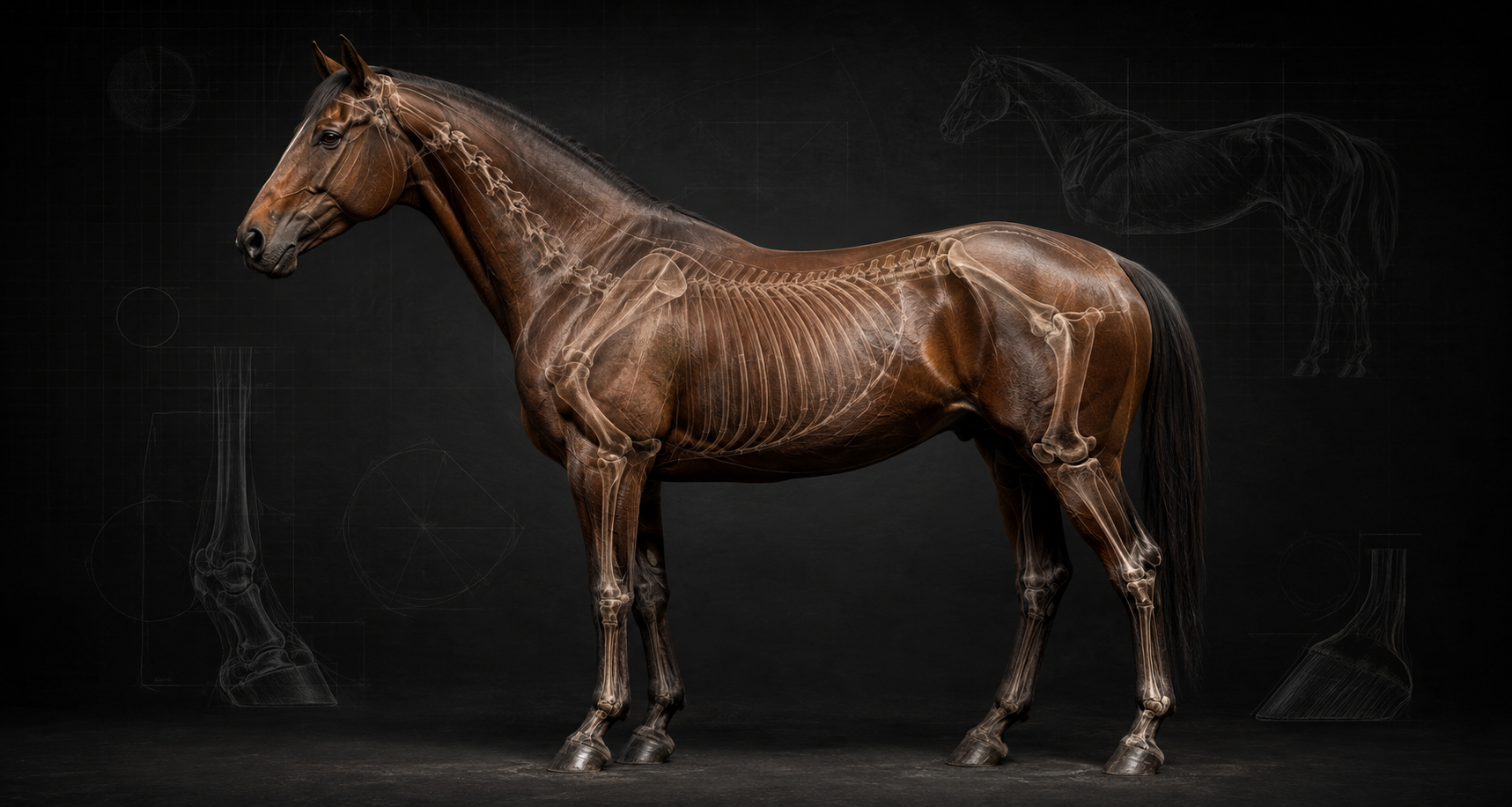
Horse 3D models are judged quickly by anatomy and gait, so limb structure, back line, hoof contact, and output format all matter in production.
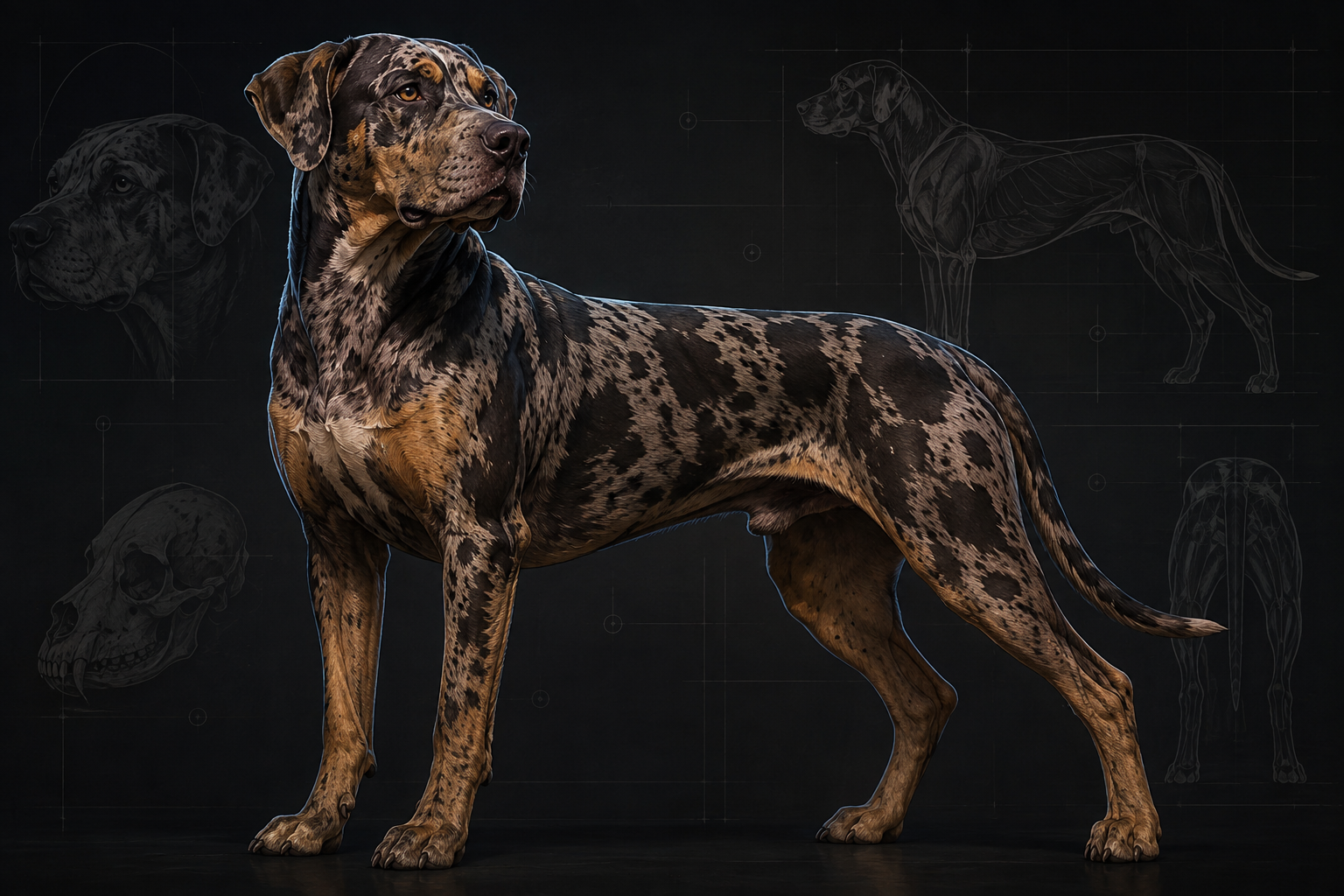
Catahoula Leopard Dog 3D models are strongest when the breed's mottled coat, broad head, drop ears, and agile working posture stay intact through shading, rigging, and pose selection.
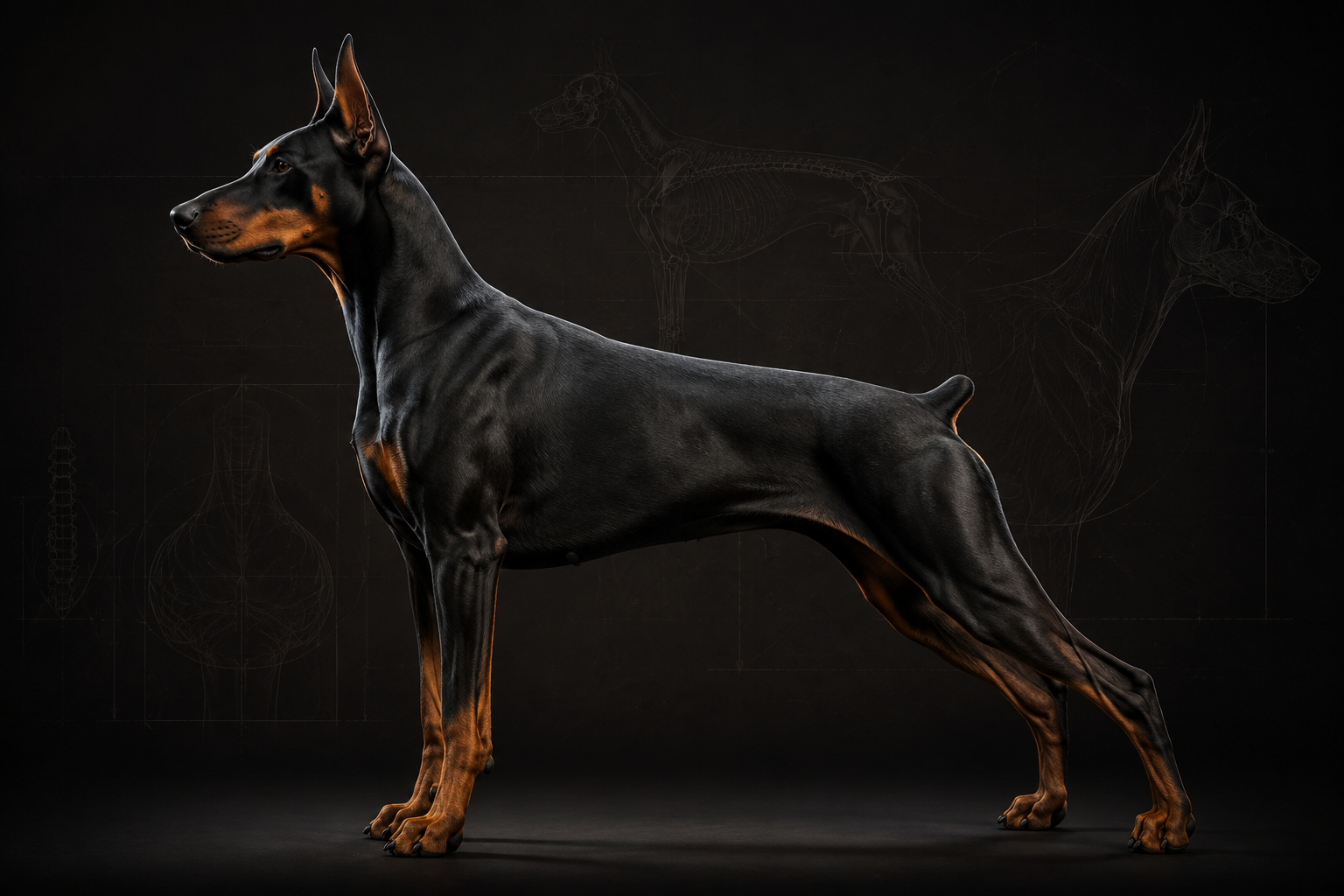
Doberman Pinscher 3D models work best when the breed's deep chest, narrow waist, and alert stance stay intact through rigging, rendering, and print prep.
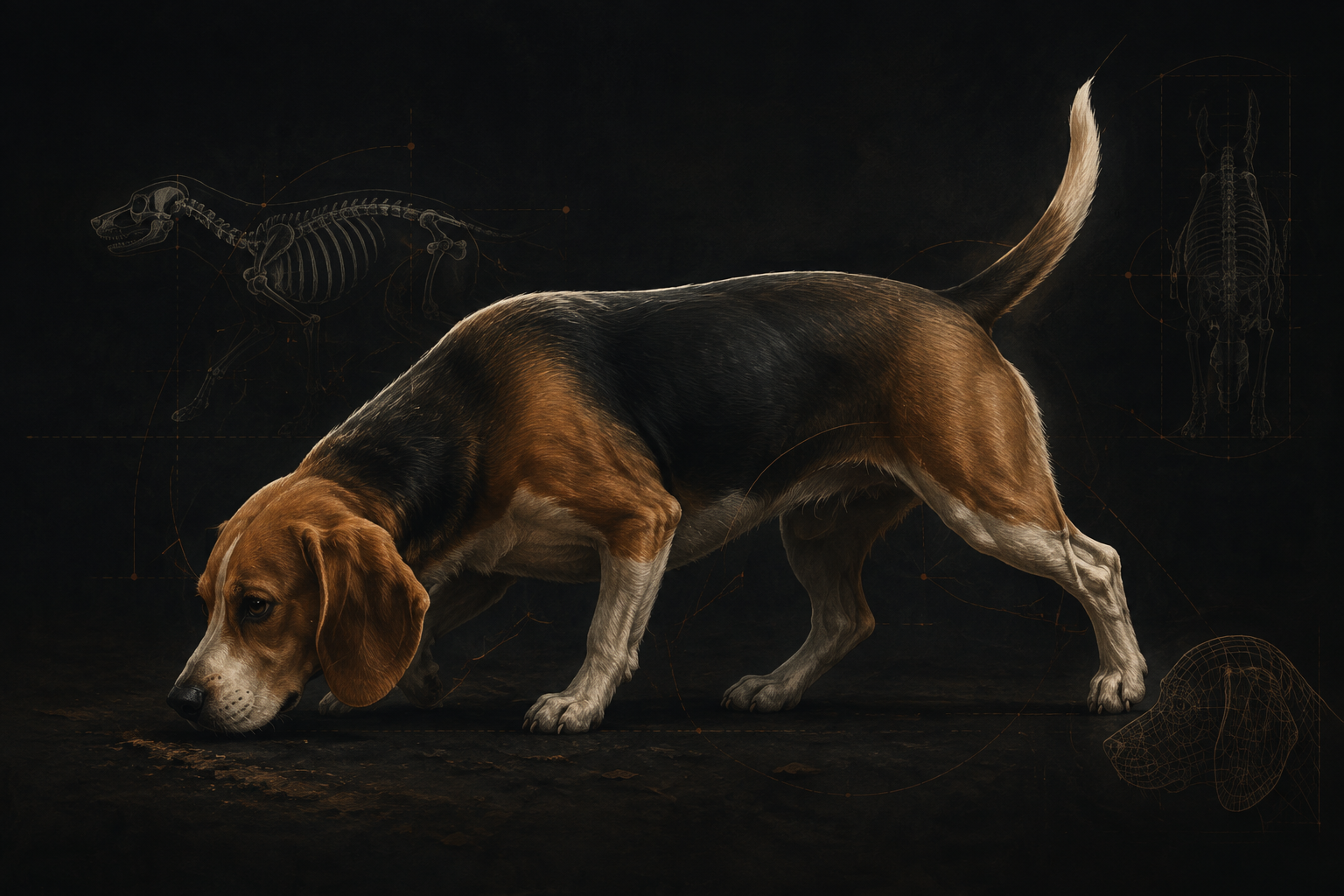
Beagle 3D models work best when the breed's compact scent-hound frame, long ears, and tracking posture stay readable in rigging, rendering, and print prep.
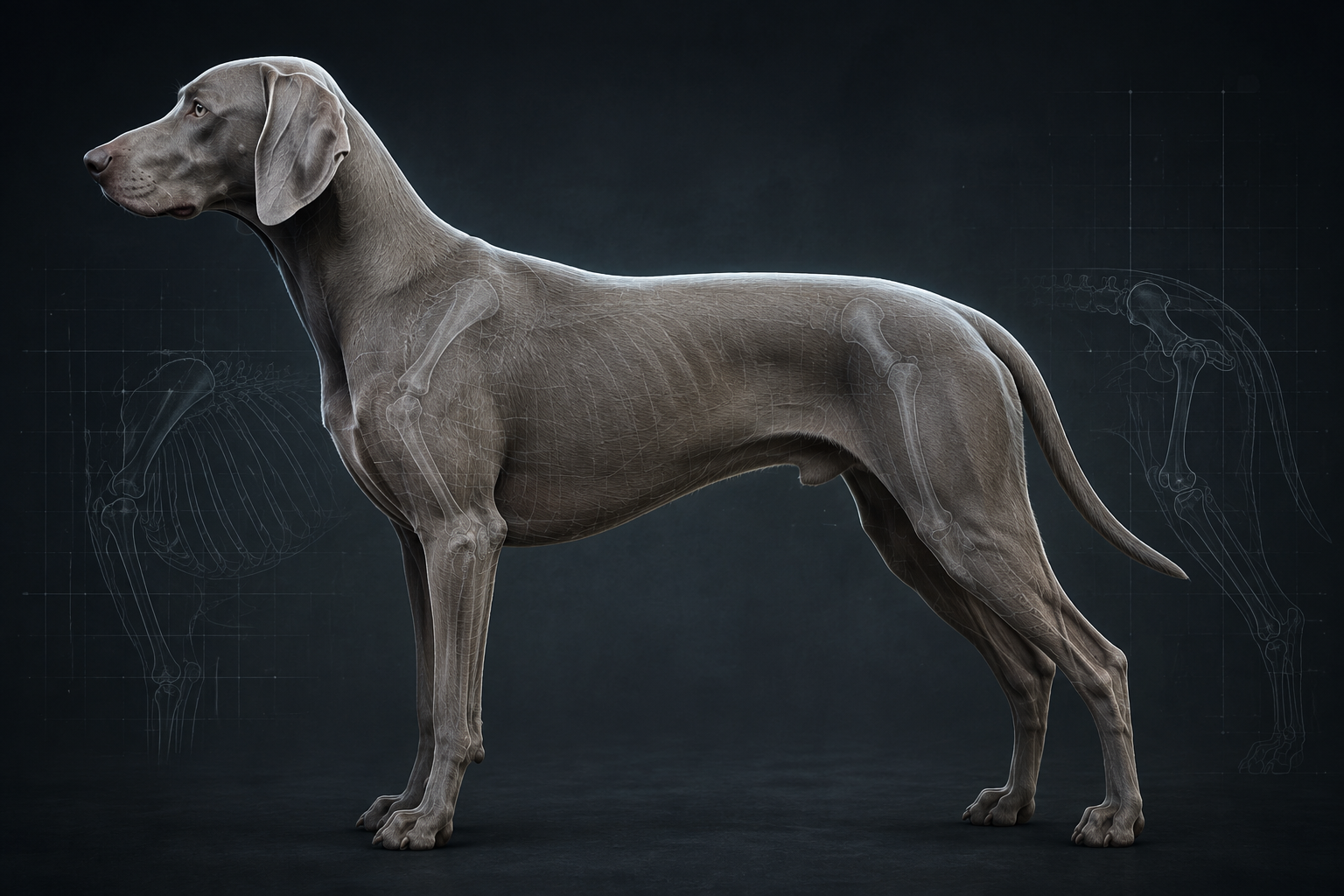
Weimaraner 3D models are most useful when the breed's short coat, long ears, and athletic proportions stay readable through rigging, posing, and rendering.
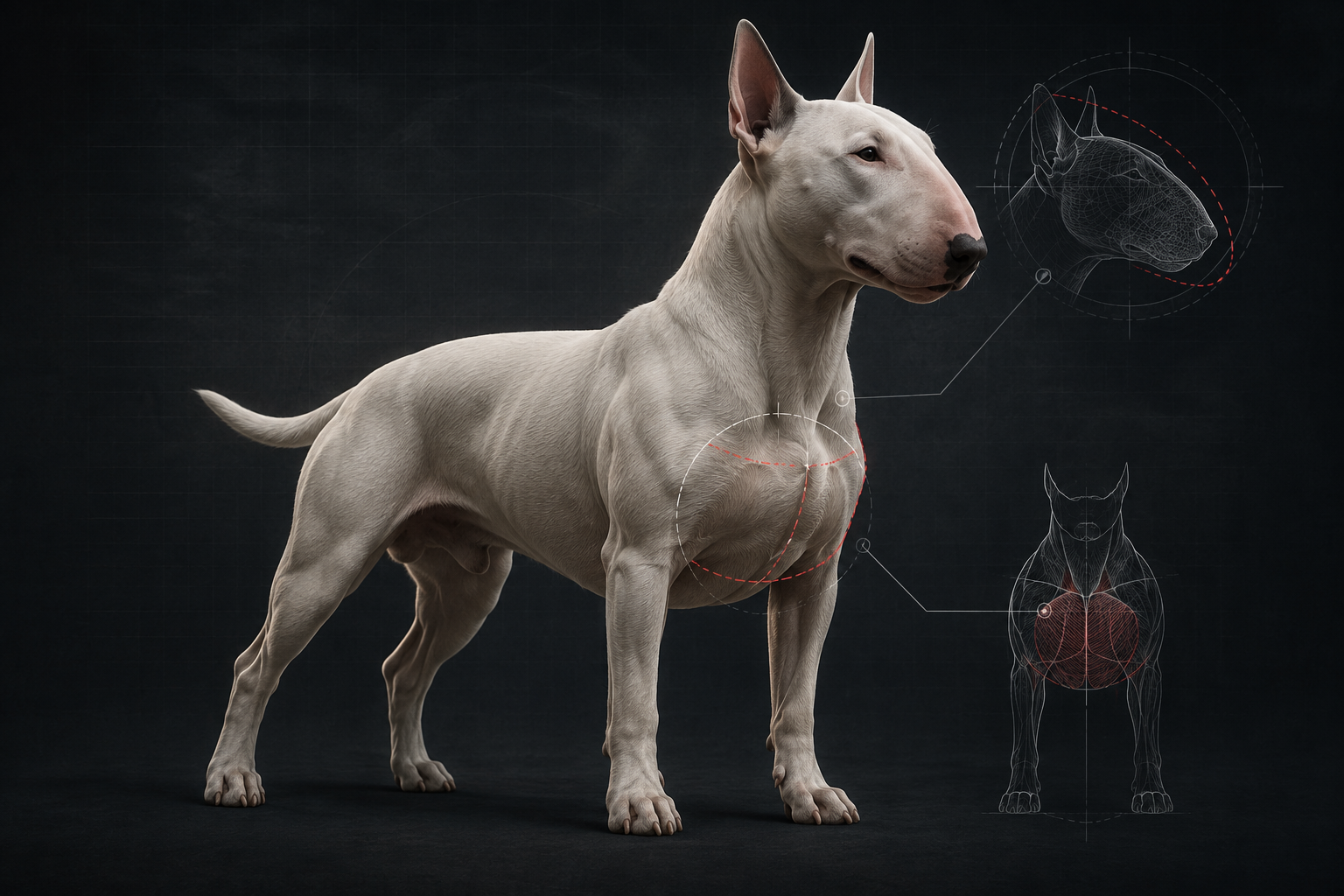
Bull Terrier 3D models are most useful when the head profile, chest volume, and stance stay readable through rigging, posing, rendering, and print prep.
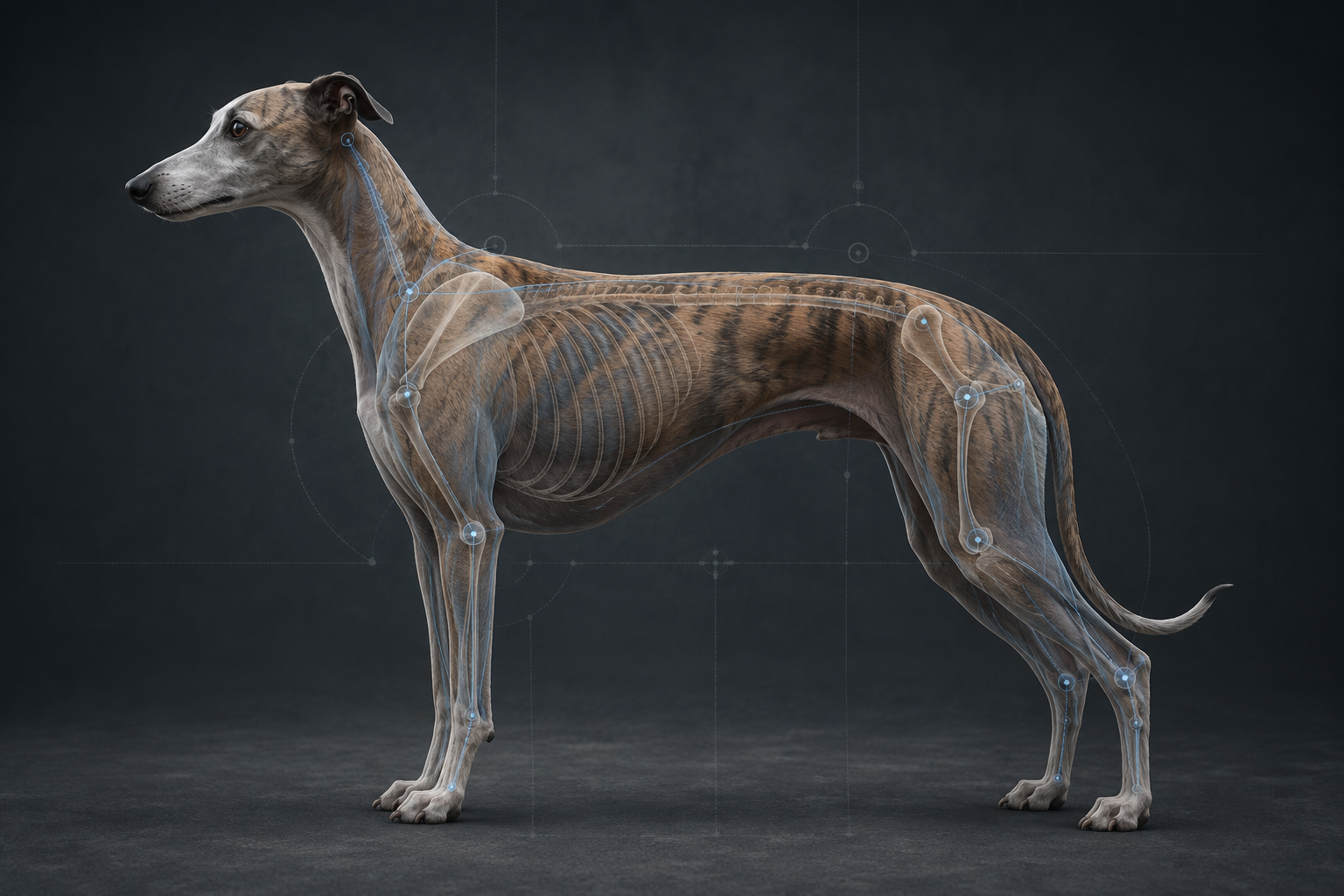
Whippet 3D models need a precise sighthound silhouette, clean motion range, and anatomy that supports sprint poses, rigging, rendering, and print work.
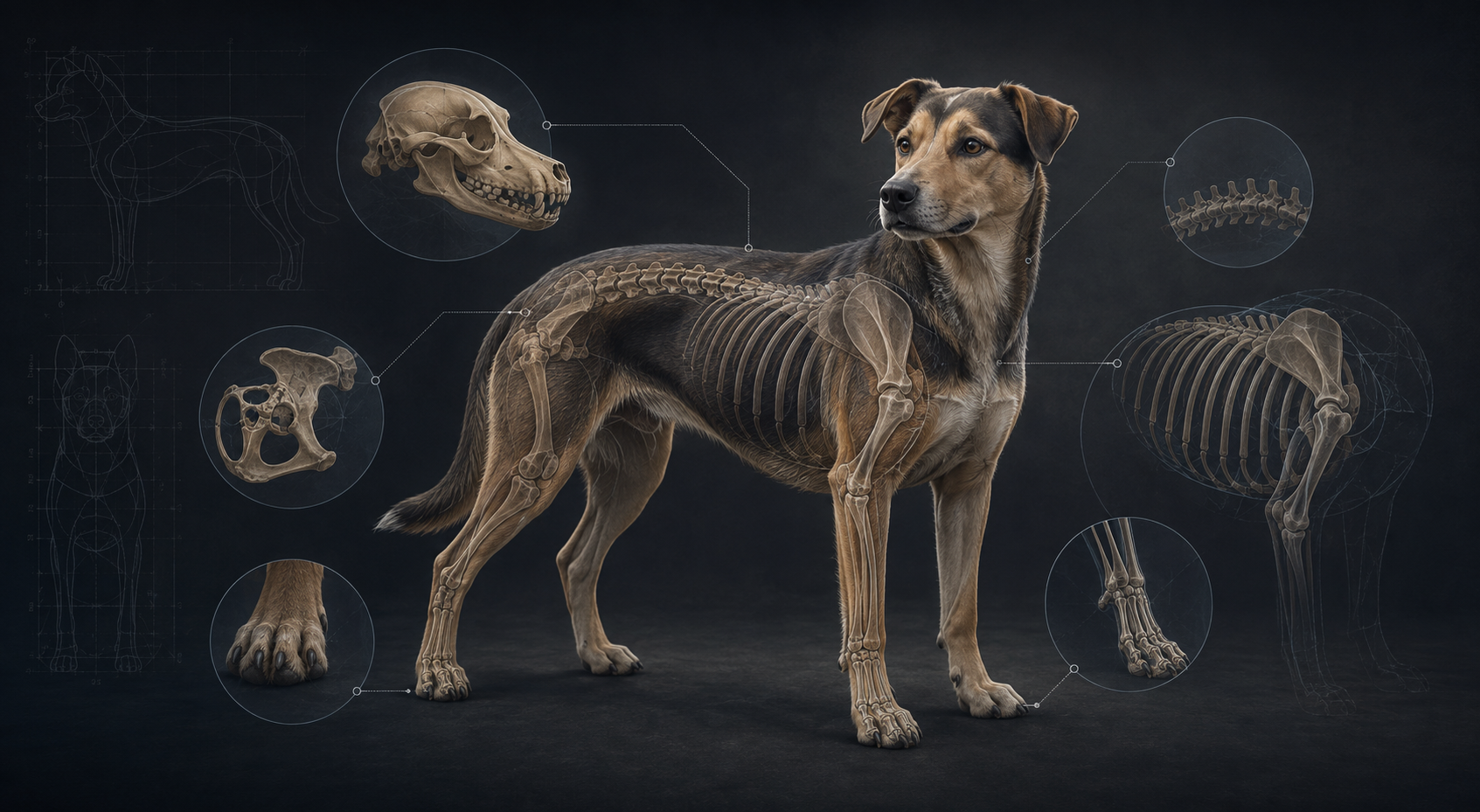
Domestic dog 3D models cover a wide range of production needs, from rigged animation assets to breed-specific references and printable anatomy studies.